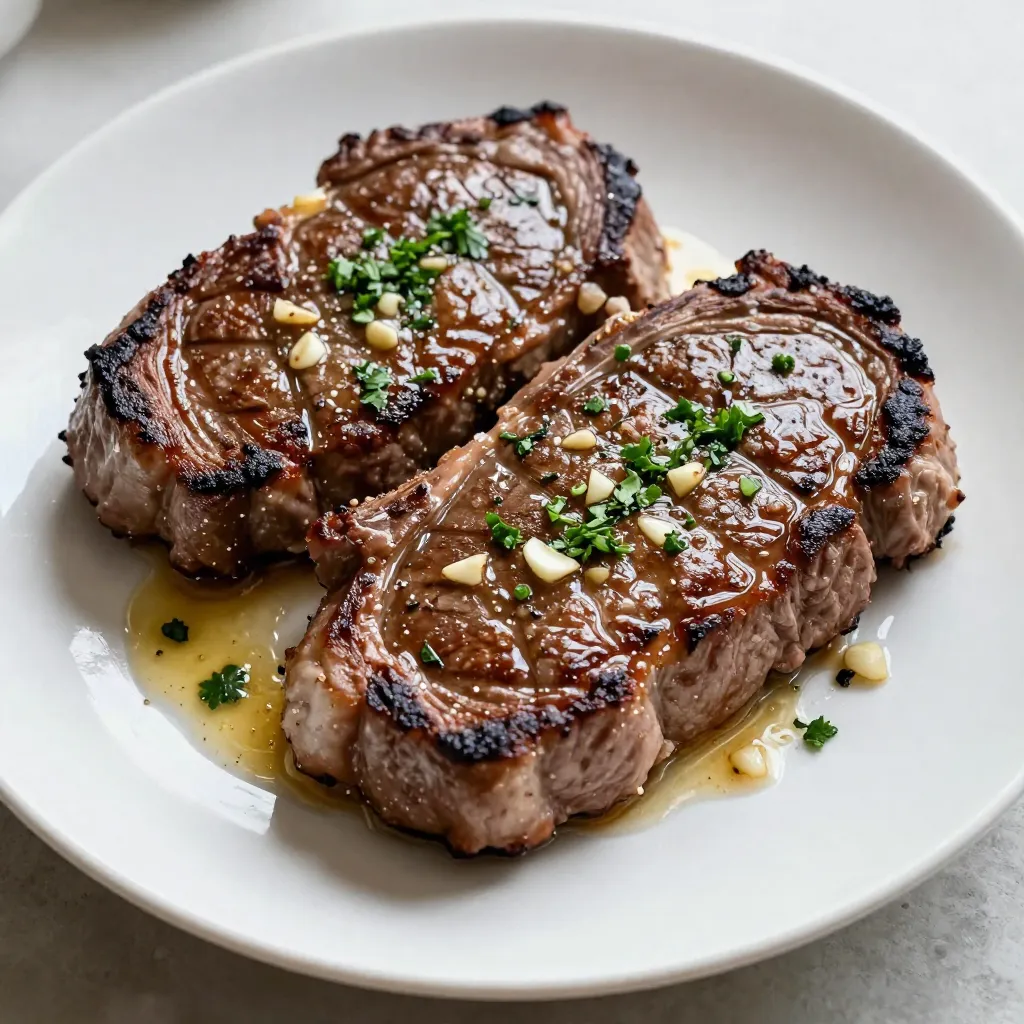

Are you ready to cook up a delicious meal? The Garlic Butter Herb Steak Skillet is simple, tasty, and perfect for any occasion. With just a few fresh ingredients, you can create a juicy ribeye steak bursting with flavor. I’ll guide you step-by-step through the process, from selecting the best cuts to tips for perfect doneness. Let’s dive into this savory journey and impress your taste buds!
Why I Love This Recipe
- Delicious Flavor: The combination of garlic, butter, and fresh herbs creates a mouthwatering flavor that elevates the ribeye steaks to a whole new level.
- Easy to Prepare: This recipe requires minimal ingredients and straightforward steps, making it perfect for both novice and experienced cooks.
- Perfectly Cooked: The technique of searing the steaks in a cast-iron skillet ensures a beautifully caramelized crust while keeping the inside juicy and tender.
- Impressive Presentation: Serving these steaks garnished with fresh parsley not only adds a pop of color but also makes for an impressive dish to serve at any dinner.
Ingredients
Main Ingredients
- 2 ribeye steaks (about 1 inch thick)
- 4 tablespoons unsalted butter
- 4 cloves garlic, minced
Herbs and Seasonings
- 2 teaspoons fresh rosemary, chopped
- 2 teaspoons fresh thyme, chopped
- Salt and pepper to taste
Optional Ingredients
- 1 tablespoon olive oil
- Fresh parsley for garnish
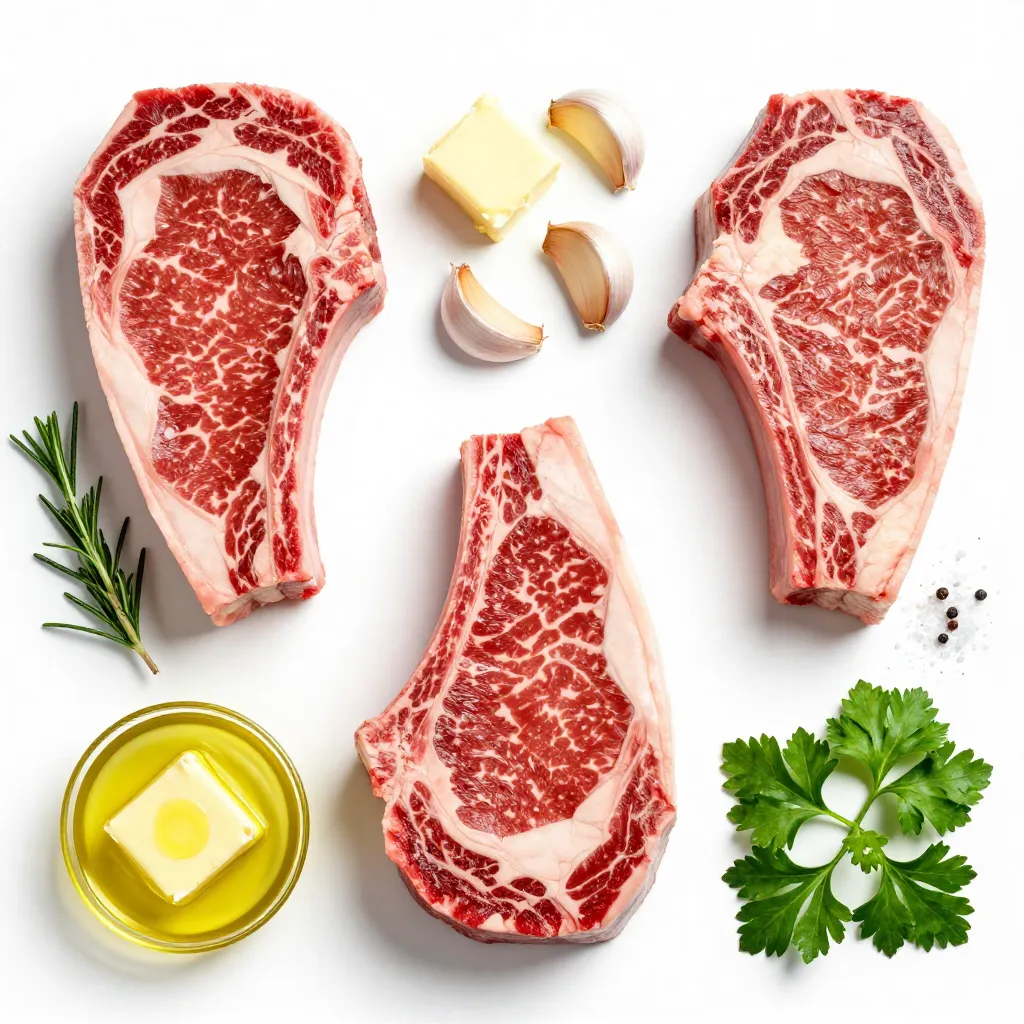
When you make this Garlic Butter Herb Steak Skillet, you need the best ingredients. Ribeye steaks are juicy and flavorful. They shine in this dish. Use unsalted butter to control the salt. Garlic adds a rich, aromatic taste that elevates the steak.
Fresh herbs like rosemary and thyme bring a garden-fresh touch. They pair well with the beef. Don’t forget salt and pepper. They enhance all the flavors.
If you want a bit of extra flavor, add olive oil. It helps with the searing process. You can also use fresh parsley to make the dish look nice. It adds a pop of color to your plate.
Gather your ingredients before you start. This makes cooking easier and more fun. With these simple items, you can create a meal that impresses everyone!
Step-by-Step Instructions
Preparing the Steak
First, season both sides of the ribeye steaks with salt and pepper. You want a nice, even layer. This step adds flavor and helps form a crust. Next, let the steaks sit at room temperature for about 30 minutes. This helps the meat cook evenly. It also makes the steak more tender and juicy.
Cooking the Steak
Now it’s time to heat the skillet. Use a large cast-iron skillet or a heavy pan. Heat the olive oil over medium-high heat until it shimmers. This means it’s hot enough for searing.
Add the seasoned ribeye steaks to the skillet. Sear each side for about 4-5 minutes for a medium-rare steak. Flip the steaks only once. This helps them form a great crust without losing juices. Adjust the cooking time if you want a different doneness.
Finishing Touches
When the steaks are nearly done, reduce the heat to medium-low. Add the butter, minced garlic, rosemary, and thyme to the skillet. Spoon the melted butter over the steaks. Do this for about 1-2 minutes. This adds rich flavor and keeps the meat moist.
After that, remove the skillet from heat. Transfer the steaks to a plate and cover them loosely with aluminum foil. Let them rest for about 5-10 minutes. This lets the juices redistribute, making every bite juicy and tasty.
Tips & Tricks
Achieving the Perfect Doneness
Using a meat thermometer helps ensure your steak is cooked just right. For medium-rare, aim for 130°F to 135°F. Insert the thermometer into the thickest part of the steak for an accurate reading.
Adjust cooking time based on steak thickness. A thicker steak needs more time, while a thinner steak cooks faster. Generally, a 1-inch ribeye takes about 4-5 minutes per side for medium-rare.
Enhancing Flavor
Choosing the right herbs makes a big difference. Fresh rosemary and thyme add depth to the garlic butter. You can also try herbs like oregano or sage for a twist.
Consider marinating your steak before cooking. A simple mix of olive oil, garlic, and herbs can boost flavor. Allow the steak to marinate for at least 30 minutes or up to 2 hours for best results.
Serving Suggestions
Pair your steak with great side dishes. A fresh garden salad or roasted vegetables complement the rich flavors. Mashed potatoes or creamy polenta also work well.
For a beautiful plate, slice the steak against the grain. Spoon some of the garlic butter over the slices. Garnish with fresh parsley for a pop of color and freshness.
Pro Tips
- Rest Your Steak: Allowing the steak to rest after cooking is crucial for juicy results. It helps the juices redistribute, preventing them from running out when you cut into the meat.
- Use a Meat Thermometer: For perfect doneness, use a meat thermometer. Aim for 130°F for medium-rare, and adjust cooking time accordingly to achieve your desired level of doneness.
- Don’t Overcrowd the Skillet: Cook one or two steaks at a time to ensure even cooking and a good sear. Overcrowding can lower the temperature of the pan and lead to steaming instead of searing.
- Choose Quality Ingredients: Opt for high-quality ribeye steaks and fresh herbs. The flavor and tenderness of the steak will significantly impact the overall taste of the dish.
Variations
Different Cuts of Steak
You can switch up the cuts of steak you use. Filet mignon is a great choice. It is tender and melts in your mouth. Sirloin is another option that works well. It has a nice flavor and is often more affordable. Both cuts cook nicely in the skillet and absorb the garlic butter flavor.
Herb Alternatives
If you want to change the herbs, you have options. Fresh oregano adds a bright taste. Basil brings a sweet note that pairs well with steak. You can also try parsley for a fresh twist. Just remember to adjust the amount, as some herbs are stronger than others.
Cooking Methods
You can cook your steak in different ways. Grilling gives it a smoky flavor. It’s perfect for summer BBQs. Skillet cooking is quick and keeps the steak juicy. You can also finish it in the oven for even cooking. This method is great for thick cuts. Just sear the steak first, then transfer it to a preheated oven to reach your desired doneness.
Storage Info
Short-term Storage
To keep your leftovers fresh, let them cool first. Once cool, wrap the steak tightly in plastic wrap or place it in an airtight container. Store it in the fridge for up to three days. This keeps the steak juicy and full of flavor. If you have garlic butter left, store it separately in a small container. You can use it later to enhance the steak’s taste.
Long-term Storage
If you want to save the steak for later, freezing is the best option. First, let the cooked steak cool completely. Wrap it tightly in plastic wrap, followed by aluminum foil. This method prevents freezer burn. Label the package with the date. You can freeze the steak for up to three months. When you’re ready to eat, thaw it in the fridge overnight.
Reheating Tips
Reheating steak can be tricky. You want to keep it tasty and tender. The best way is to use the oven. Preheat your oven to 250°F (120°C). Place the steak on a baking sheet. Heat it until warm, about 20-30 minutes. If you have garlic butter, melt it in a pan. After the steak warms up, drizzle the melted butter over it for extra flavor. You can also use a skillet on low heat, but be careful not to overcook it. This keeps the steak juicy and rich.
FAQs
What is the best cut of steak for skillet cooking?
Ribeye steaks are great for skillet cooking. Their fat content keeps them juicy. You can also use strip steak or sirloin. These cuts sear well and have great flavor. Filet mignon is tender but less flavorful. Choose a cut that fits your taste and budget.
Can I use dried herbs instead of fresh?
Yes, you can use dried herbs! Dried herbs pack a stronger flavor. Use one-third of the amount when swapping. For example, if the recipe calls for one tablespoon of fresh rosemary, use one teaspoon of dried. This keeps the taste balanced and tasty.
How do I know when my steak is done?
To check steak doneness, look for color and firmness. Medium-rare steak is warm and red inside. Use a meat thermometer for best results. Aim for 130°F to 135°F for medium-rare. Let the steak rest for a few minutes after cooking. This helps keep the juices in.
This blog post covered how to cook a delicious ribeye steak. We explored main ingredients like butter and garlic, along with the right herbs and seasonings. I shared clear steps for preparing and cooking your steak to perfection. You also got tips on doneness, flavor enhancement, and serving ideas. Remember, variations exist based on cuts and herbs, giving you freedom to explore. Storing and reheating your steak properly keeps it tasty. Enjoy cooking and savoring every bite of your stea
Garlic Butter Herb Steak Skillet
Ingredients
- 2 pieces ribeye steaks (about 1 inch thick)
- 4 tablespoons unsalted butter
- 4 cloves garlic, minced
- 2 teaspoons fresh rosemary, chopped
- 2 teaspoons fresh thyme, chopped
- to taste salt and pepper
- 1 tablespoon olive oil
- optional fresh parsley for garnish
Instructions
- Prepare the Steak: Season both sides of the ribeye steaks generously with salt and pepper. Let them sit at room temperature for about 30 minutes to enhance flavor and tenderness.
- Heat the Skillet: In a large cast-iron skillet or heavy-bottomed pan, heat the olive oil over medium-high heat until shimmering.
- Sear the Steaks: Add the seasoned ribeye steaks to the skillet. Sear each side for about 4-5 minutes for medium-rare, adjusting time for desired doneness. Flip the steaks only once for a perfect crust.
- Add the Garlic Butter: When the steaks are nearly done cooking, reduce the heat to medium-low. Add the butter, minced garlic, rosemary, and thyme to the skillet. Spoon the melted butter over the steaks continuously for about 1-2 minutes.
- Rest the Steaks: Remove the skillet from heat, transfer the steaks to a plate, and cover loosely with aluminum foil. Let them rest for about 5-10 minutes to allow the juices to redistribute.
- Serve: Slice the steaks against the grain and pour any remaining garlic butter from the skillet over the top. Garnish with fresh parsley if desired.