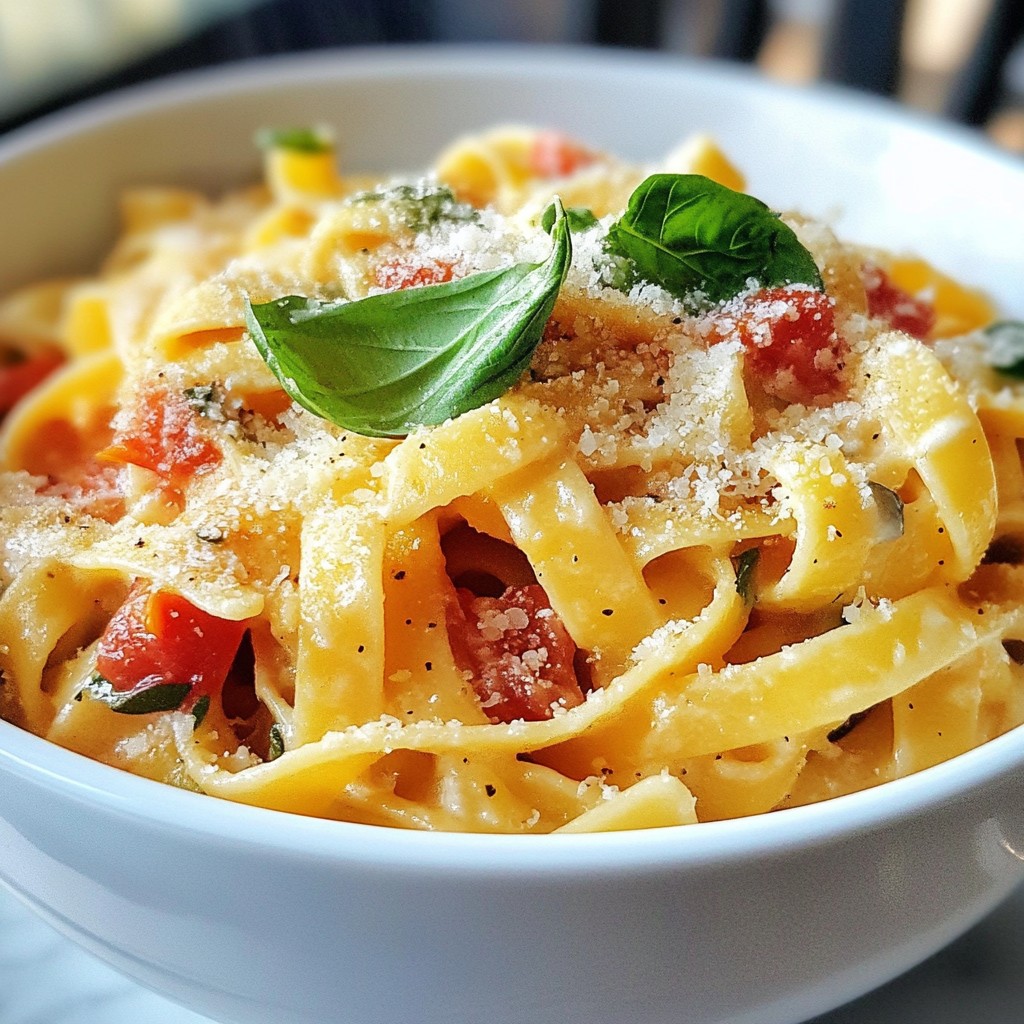
Are you ready for a dish that’s quick, creamy, and bursting with flavor? In just 30 minutes, you can whip up my creamy tomato basil pasta that feels like a warm hug. Perfect for busy weeknights or a cozy dinner, this simple delight brings comfort to your table. Let’s dive into the ingredients and steps so you can enjoy this delicious meal tonight!
Why I Love This Recipe
- Quick and Easy: This recipe comes together in just 30 minutes, making it perfect for busy weeknights.
- Rich and Creamy Flavor: The combination of heavy cream and tomatoes creates a luscious sauce that clings beautifully to the pasta.
- Fresh Ingredients: Using fresh basil adds a vibrant touch and enhances the overall flavor profile of the dish.
- Customizable: Feel free to add your favorite vegetables or protein to make this dish your own!
Ingredients
List of Required Ingredients
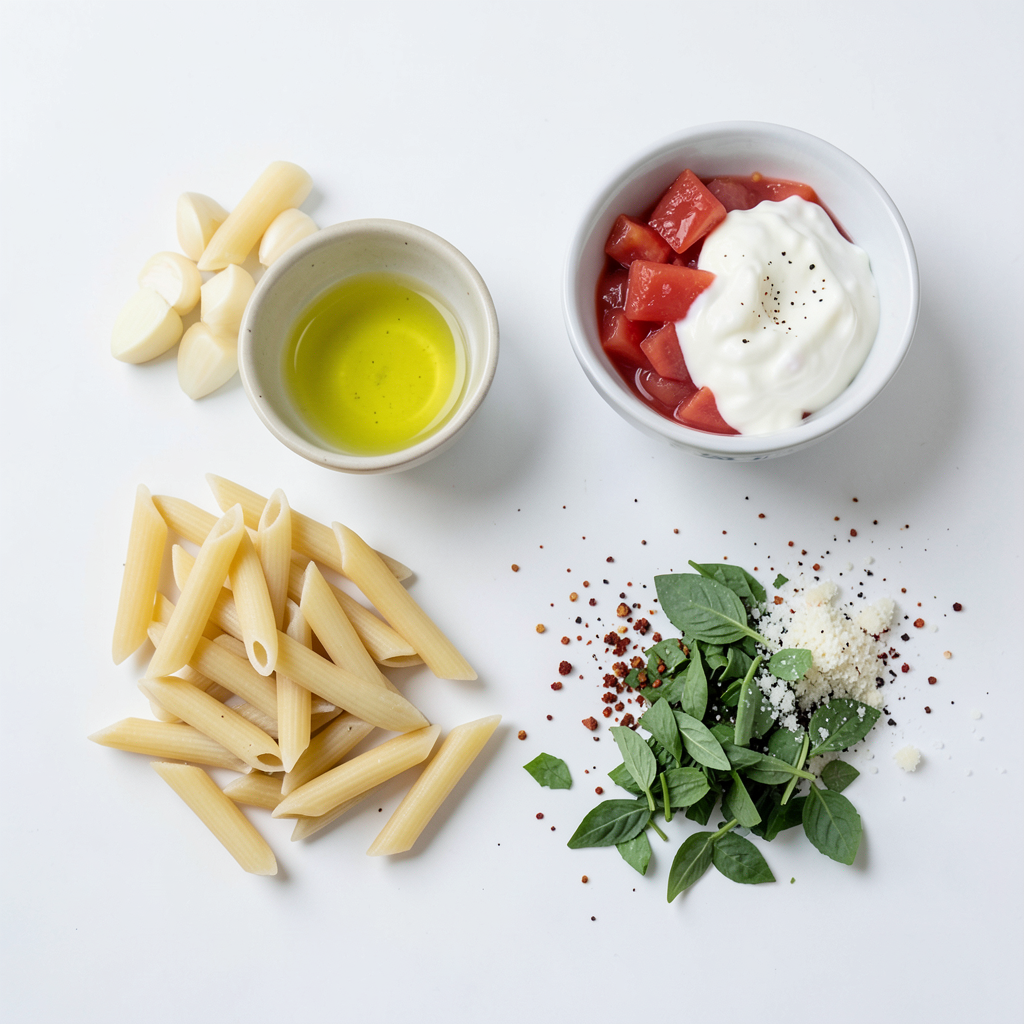
To make creamy tomato basil pasta, you need these simple ingredients:
- 8 oz (225 g) pasta (penne or fettuccine)
- 2 tablespoons olive oil
- 3 cloves garlic, minced
- 1 can (14 oz) diced tomatoes
- 1 cup heavy cream or coconut cream
- 1 cup fresh basil leaves, chopped
- Salt and pepper to taste
- ¼ cup grated Parmesan cheese
Optional Ingredients for Extra Flavor
Want to give your dish a kick? Try these optional ingredients:
- Crushed red pepper flakes for heat
- Extra basil leaves for garnish
- More Parmesan cheese for topping
Vegan Substitutes
If you prefer a vegan option, swap out these ingredients:
- Use coconut cream instead of heavy cream
- Replace Parmesan cheese with nutritional yeast
These swaps keep the flavor but make it plant-based. Enjoy your cooking adventure!
Step-by-Step Instructions
Preparing the Pasta
Start by boiling a large pot of salted water. This adds flavor to the pasta. Once the water is bubbling, add 8 ounces of your choice of pasta. Penne or fettuccine works great here. Cook the pasta according to the package instructions until it is al dente. This means it should still have a firm bite. After cooking, remember to save about half a cup of pasta water. Drain the pasta and set it aside.
Making the Tomato Basil Sauce
In the same pot, heat 2 tablespoons of olive oil over medium heat. Add 3 minced garlic cloves and sauté for about 30 seconds. You want to smell the garlic, but don’t let it burn. Next, pour in a 14-ounce can of diced tomatoes with their juices. Allow this mixture to simmer for about 5 minutes. This step helps thicken the sauce and deepen the flavors. Lower the heat and stir in 1 cup of heavy cream or coconut cream for a vegan option. Mix well until the sauce becomes creamy. Let it heat through for another 2-3 minutes.
Now, add 1 cup of chopped fresh basil leaves, salt, and pepper to taste. You can also mix in ¼ cup of grated Parmesan cheese or nutritional yeast for a vegan twist. Stir everything together until well combined.
Combining Pasta with the Sauce
Now it's time to bring it all together. Toss the cooked pasta into the sauce. Mix gently to coat the pasta evenly. If the sauce feels too thick, add some of that reserved pasta water. This helps achieve your desired creaminess. Taste your dish and adjust the seasoning as needed. You can add more salt, pepper, or even some crushed red pepper flakes for a bit of heat. Serve your creamy tomato basil pasta hot and garnish with extra basil and cheese if you like. Enjoy your simple delight!
Tips & Tricks
How to Achieve the Perfect Creamy Consistency
To get that smooth, creamy sauce, use heavy cream or coconut cream. Heat the cream gently. Mixing it with the tomatoes helps it blend well. If the sauce is too thick, add reserved pasta water slowly. This method helps you find the right consistency without losing flavor.
Flavor Enhancements to Consider
You can add flavor with simple tweaks. Try fresh herbs like parsley or oregano. A squeeze of lemon juice brightens the dish. For heat, sprinkle in crushed red pepper flakes. You can also use different cheese, like Pecorino Romano. Each choice adds a unique twist to the dish.
Common Mistakes to Avoid
Be careful not to overcook the pasta. It should be al dente, or firm to the bite. Avoid burning the garlic; it can make the sauce bitter. Don't skip the salt; it enhances the flavors. Lastly, remember to taste and adjust seasoning before serving. These tips will help you perfect your creamy tomato basil pasta every time.
Pro Tips
- Fresh Basil is Key: Always use fresh basil for the best flavor in your sauce. Dried basil won't provide the same vibrant taste and aroma.
- Adjust Cream to Taste: Feel free to adjust the amount of cream based on your preference for richness. For a lighter option, you can use half-and-half or even low-fat milk.
- Reserve Pasta Water: Remember to reserve pasta water before draining. It’s a great way to adjust the sauce’s consistency and helps the sauce cling to the pasta better.
- Spice it Up: If you enjoy a bit of heat, add crushed red pepper flakes when sautéing the garlic for an extra kick that enhances the flavor of the dish.
Variations
Gluten-Free Alternatives
You can easily make this creamy tomato basil pasta gluten-free. Choose gluten-free pasta, like rice or quinoa pasta. These options cook well and taste great. Make sure to check the package for cooking times. This way, you get a perfect texture. Gluten-free pasta can be just as tasty and satisfying.
Protein Add-Ins (Chicken, Shrimp, etc.)
Want to add protein? Chicken and shrimp make excellent choices. For chicken, cook bite-sized pieces in the olive oil before adding garlic. For shrimp, add them after the garlic, cooking just until pink. Both options enhance flavor and make your meal heartier. You can also use cooked sausage or tofu for a twist.
Seasonal Vegetable Additions
Add seasonal veggies to boost nutrition and flavor. Zucchini, bell peppers, or spinach mix well with the sauce. Chop the veggies and sauté them with garlic for a few minutes. This step keeps them crisp and bright. You can also use mushrooms for an earthy touch. Get creative with your choices!
Storage Info
Best Practices for Storing Leftovers
To keep your creamy tomato basil pasta fresh, place it in an airtight container. Make sure to let it cool before sealing. This helps avoid steam buildup that can make the pasta soggy. Store it in the fridge for up to three days. If you want to keep it longer, consider freezing it.
Reheating Instructions
When it's time to enjoy leftovers, reheat the pasta gently. You can use a microwave or a stovetop. If using a microwave, heat in 30-second intervals, stirring in between. On the stovetop, add a splash of water or cream. This helps bring back the creaminess. Heat over low until warmed through. Avoid high heat to prevent the sauce from separating.
Freezing Guidelines
If you want to freeze creamy tomato basil pasta, do it before adding fresh basil or cheese. This keeps the basil's flavor bright and the cheese from changing texture. Place cooled pasta in a freezer-safe bag or container. Remove as much air as possible. It can stay in the freezer for up to three months. To thaw, place it in the fridge overnight before reheating.
FAQs
Can I use fresh tomatoes instead of canned?
Yes, you can use fresh tomatoes. About 4-5 medium-sized tomatoes work well. First, chop them into small pieces. Then, add them to the pot after cooking the garlic. Cook them for about 10 minutes. This gives them time to soften and release their juices. You might need to add a bit more cream if the sauce is too thick. Fresh tomatoes add a bright flavor to the dish.
What type of pasta works best for this recipe?
I recommend using penne or fettuccine. Penne holds the sauce well in its tubes. Fettuccine provides a nice, creamy coating due to its flat shape. Both types cook quickly and easily. You can also try other pasta shapes you like. Just be sure to follow the cooking time on the package for the best results.
How can I make this dish dairy-free?
To make it dairy-free, use coconut cream instead of heavy cream. You can also choose nutritional yeast in place of Parmesan cheese for a cheesy flavor. This keeps the dish creamy and rich while avoiding dairy. Just make sure to check the labels on your ingredients. This way, you ensure no hidden dairy sneaks in.
This article covered all you need for a great pasta dish. I shared essential and optional ingredients, along with vegan substitutes to fit your diet. You learned step-by-step instructions for cooking the pasta and sauce. Tips helped you avoid common mistakes and reach that perfect creamy consistency. Variations added exciting options like gluten-free pasta or seasonal veggies. Lastly, I included storage tips to keep your leftovers fresh. With these insights, you can create a tasty meal every time.