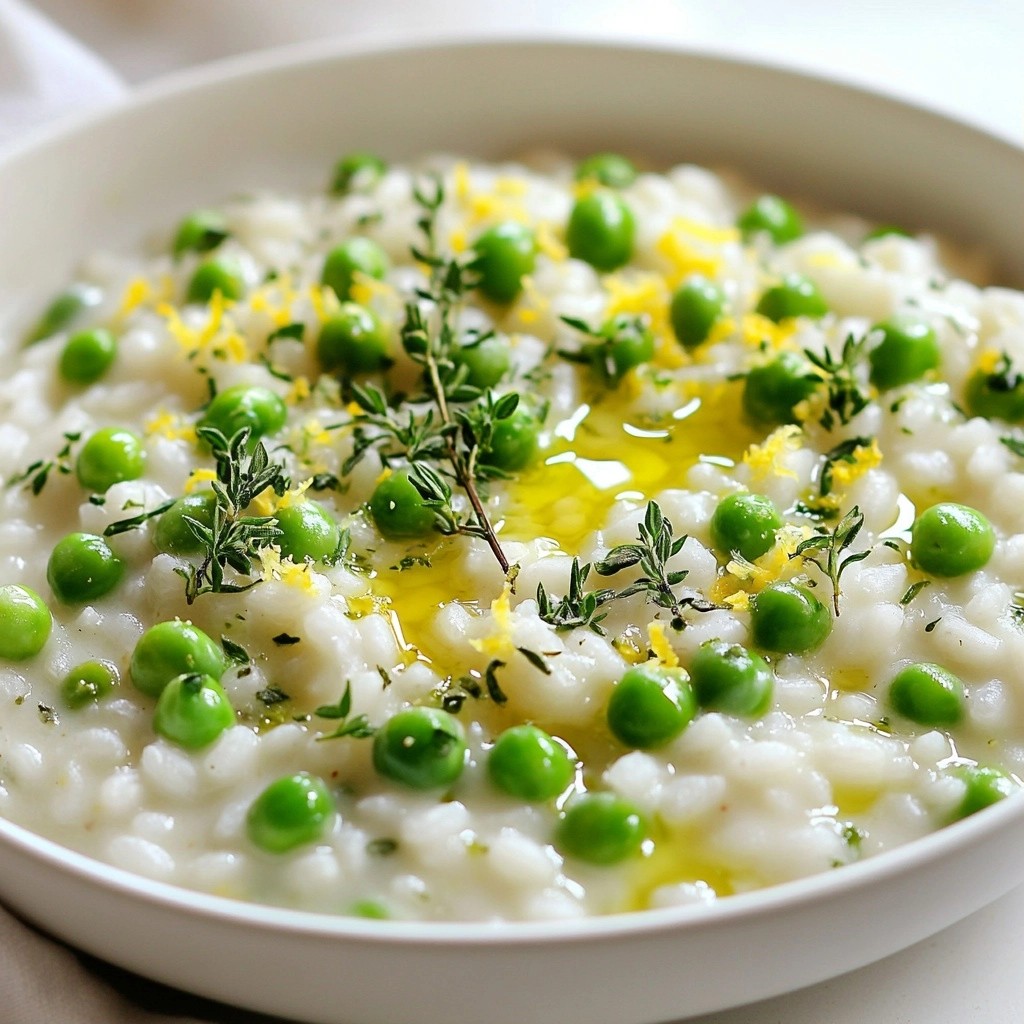

Get ready to impress your guests with my Festive Easy Side Dish Sage Cornbread! This cornbread combines sweet and savory, making it the perfect addition to any holiday meal. With simple ingredients and easy steps, you can whip up a delightful treat everyone will love. Let’s dive into this simple recipe that brings warmth and flavor to your table!
Why I Love This Recipe
- Comforting Flavor: This cornbread is infused with the warm, earthy taste of sage, making it a delightful addition to any meal.
- Quick and Easy: With just 10 minutes of prep time, you can have a delicious homemade cornbread ready for the oven.
- Perfectly Moist: The combination of milk and eggs results in a tender and moist cornbread that melts in your mouth.
- Festive Presentation: Serve it warm with honey or butter, and garnish with fresh sage for a beautiful and festive touch.
Ingredients
List of Ingredients
- 1 cup cornmeal
- 1 cup all-purpose flour
- 1 tablespoon baking powder
- 1 teaspoon salt
- 1/4 cup granulated sugar
- 1 cup milk
- 1/4 cup vegetable oil
- 2 large eggs
- 1/4 cup fresh sage leaves, chopped (or 1 tablespoon dried sage)
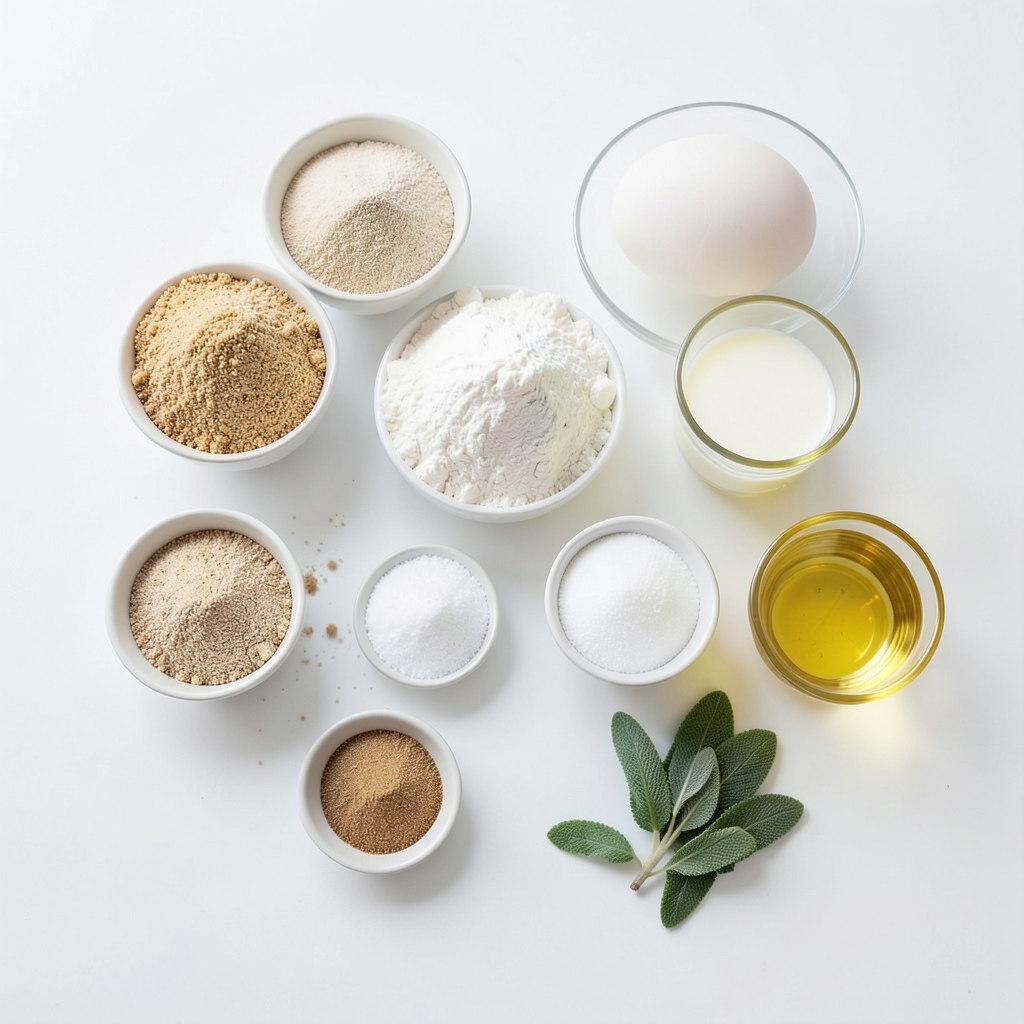
Gather these ingredients before you start. The cornmeal gives the bread a great texture. Flour helps it rise and stay fluffy. Baking powder is key for lightness. Salt adds flavor, while sugar brings a hint of sweetness. Milk makes it moist, and vegetable oil keeps it tender. Eggs bind everything together. Fresh sage gives it that lovely festive flavor.
Optional Ingredients for Enhancement
- Additional herbs or spices
- Honey or butter for serving
You can play with flavors by adding other herbs or spices. Honey or butter will elevate the taste when serving. A drizzle of honey adds sweetness, while butter adds richness. These small touches make a big difference.
Step-by-Step Instructions
Preheat and Prepare Your Baking Pan
First, preheat your oven to 400°F (200°C). This heat is key for a great rise. Next, grease an 8-inch square baking pan with butter or oil. You can also line it with parchment paper for easy removal.
Mix Dry Ingredients
In a large bowl, combine 1 cup of cornmeal, 1 cup of all-purpose flour, 1 tablespoon of baking powder, 1 teaspoon of salt, and 1/4 cup of granulated sugar. Whisk these dry ingredients together until they are well blended. This mix is the base for our cornbread.
Combine Wet Ingredients
Now, grab another bowl. Whisk together 1 cup of milk, 1/4 cup of vegetable oil, and 2 large eggs until smooth. This mixture adds moisture and richness to the cornbread.
Combine and Mix
Pour the wet mixture into the dry ingredients. Mix gently until just combined. Be careful not to overmix, as this can make the cornbread tough. Next, fold in 1/4 cup of chopped sage leaves. This herb gives the cornbread a unique flavor.
Bake and Cool
Pour the batter into the prepared baking pan. Use a spatula to smooth the top. Now, bake in the preheated oven for 20-25 minutes. The cornbread is done when the top is golden brown. A toothpick should come out clean when inserted in the center. Allow the cornbread to cool in the pan for about 10 minutes before cutting into squares. Enjoy your warm, sage cornbread!
Tips & Tricks
Achieving Perfect Cornbread Texture
To get the best texture for your sage cornbread, mix the batter gently. Overmixing can lead to a dense texture. Stir just until the dry and wet ingredients blend. This keeps your cornbread light and fluffy. If you want a softer cornbread, bake it for a shorter time. Check for doneness at 20 minutes. If it needs more time, add a few more minutes.
Flavor Enhancements
Using fresh sage gives your cornbread a bright taste. If you use dried sage, use less. One tablespoon of dried sage works well. You can also add other flavors. Try cheese for a savory twist or jalapeños for some heat. Honey or maple syrup can add sweetness too.
Serving Suggestions
Serve your cornbread warm. A drizzle of honey or a pat of butter makes it even better. You can also garnish it with fresh sage leaves. This adds a pretty touch. Pair your cornbread with chili, soup, or roasted meats. It complements many main dishes perfectly.
Pro Tips
- Use Fresh Sage: For the best flavor, opt for fresh sage leaves instead of dried. The aroma and taste will elevate your cornbread.
- Don't Overmix: When combining wet and dry ingredients, mix until just combined. Overmixing can lead to dense cornbread.
- Check for Doneness: Insert a toothpick into the center; it should come out clean. If it has wet batter, bake for a few more minutes.
- Serve Warm: Cornbread is best enjoyed warm. Try drizzling with honey or butter for added richness!
Variations
Sweet Cornbread Version
To make sweet cornbread, you can add honey or maple syrup. Just mix in about 1/4 cup of your choice to the wet ingredients. This will give your cornbread a sweet touch. The added sweetness pairs well with the sage flavor. You may also add a sprinkle of cinnamon for extra warmth. This version is great for breakfast or a festive treat.
Savory Additions
If you want a savory twist, try adding cheese or jalapeños. Grated cheese like cheddar or pepper jack gives a creamy texture. Mix in about 1 cup of cheese into the batter. For a spicy kick, chop up 1-2 jalapeños and fold them in. This adds a nice flavor contrast to the sage. It's perfect for those who like a bit of heat in their cornbread.
Gluten-Free Alternative
For a gluten-free version, you can use gluten-free flour blends. Look for blends that work well for baking. Almond flour and coconut flour are great options, but they need adjustments. Use 1/2 cup of almond flour and 1/2 cup of coconut flour. You may also need to add an extra egg for binding. This way, you enjoy delicious cornbread, even if you avoid gluten.
Storage Info
How to Store Cornbread
To keep your sage cornbread fresh, wrap it well. Use plastic wrap or foil. Store it at room temperature if you eat it within two days. For longer storage, place it in an airtight container. This keeps it soft and tasty.
Freezing Instructions
You can freeze cornbread for later use. First, let it cool completely. Then, cut it into squares. Wrap each square in plastic wrap. Place the wrapped squares in a freezer bag. Make sure to remove as much air as possible. To reheat, thaw it in the fridge overnight. Then, warm it in the oven or microwave.
Shelf Life
Fresh cornbread lasts about two days at room temperature. In the fridge, it can last up to one week. If you freeze it, cornbread can stay good for about three months. After that, its taste may change. Always check for signs of spoilage before eating.
FAQs
How can I make cornbread without eggs?
You can replace eggs with applesauce. Use 1/4 cup of unsweetened applesauce for each egg. This makes the cornbread moist and adds a slight sweetness. You can also use mashed bananas in the same amount.
Can I use frozen sage for this recipe?
Yes, you can use frozen sage. Just make sure to chop it finely. Use the same amount as fresh sage. Keep in mind that frozen sage may have a milder flavor.
What can I substitute for milk in the cornbread?
You can use almond milk, soy milk, or oat milk. These plant-based options work well in this recipe. You can also use water or vegetable broth for a different flavor.
How do I know when my cornbread is done?
Check your cornbread after 20 minutes. Insert a toothpick into the center. If it comes out clean, the cornbread is done. The top should also be golden brown.
Can I add fruit to my sage cornbread?
Yes! Diced apples or cranberries can add a nice touch. You can mix in about one cup of fruit. This adds sweetness and makes your cornbread even more festive.
In this post, we covered how to make delicious, sage-infused cornbread. You learned about the key ingredients and step-by-step instructions. I shared tips for great texture and flavor variations. You now know how to store, freeze, and answer common questions about cornbread.
Enjoying cornbread is easy with this guide. Try different flavors or add herbs for a twist. Your meals can shine with this simple recipe. Happy baking!