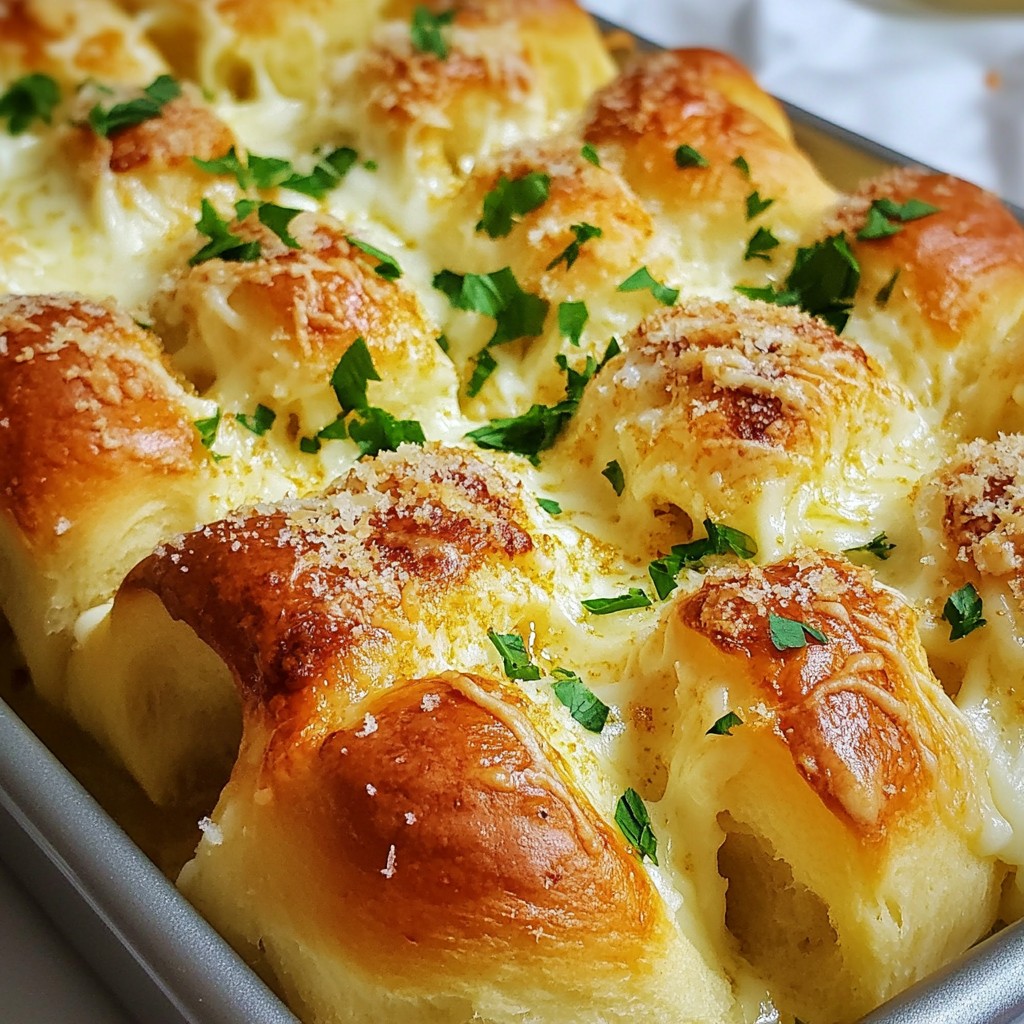

Welcome to my kitchen, where I’m excited to share my Garlic Herb Focaccia recipe! This bread is not just simple; it’s bursting with flavor. You’ll learn how to make a light, fluffy focaccia topped with aromatic garlic and fresh herbs. Whether you’re a seasoned baker or a beginner, I’ll walk you through each step. Let’s dive in and create something delicious together!
Why I Love This Recipe
- Easy to Make: This focaccia recipe is simple and requires minimal ingredients, making it perfect for both novice and experienced bakers.
- Flavorful Herbs: The combination of garlic, rosemary, and thyme infuses the bread with delightful aromas and taste, elevating any meal.
- Customizable Toppings: You can easily add your favorite toppings like cherry tomatoes or olives, personalizing the focaccia to your liking.
- Perfect for Sharing: This recipe yields enough bread to share with family and friends, making it a great addition to gatherings or special occasions.
Ingredients
Essential Ingredients
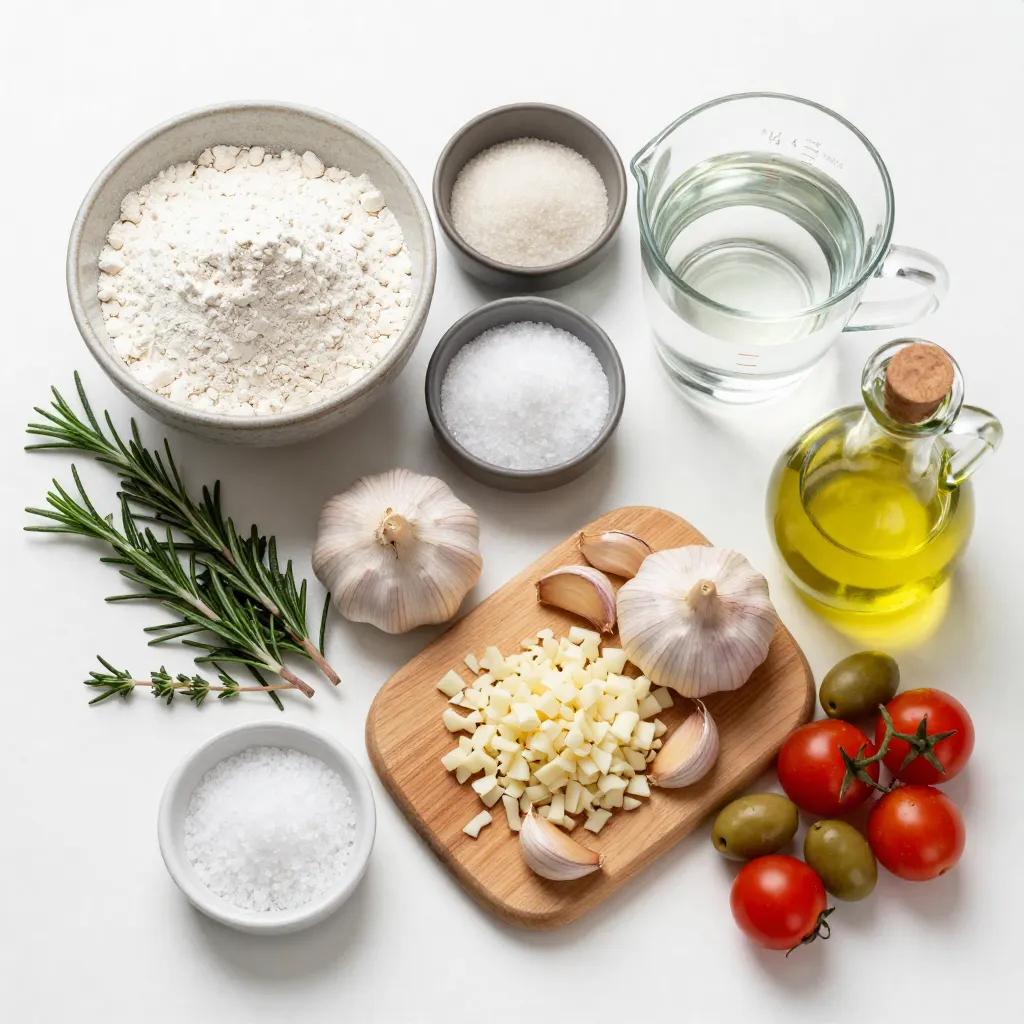
– 4 cups all-purpose flour
– 2 teaspoons instant yeast
– 2 teaspoons salt
– 1 teaspoon sugar
To make a great focaccia, you need some key ingredients. All-purpose flour gives the bread its structure. Instant yeast helps it rise quickly. Salt adds flavor, while sugar helps the yeast work better.
Flavorful Additions
– 6 cloves garlic, minced
– 2 tablespoons fresh rosemary, chopped
– 2 tablespoons fresh thyme, chopped
– Coarse sea salt
Garlic is the star of this recipe. It brings bold flavor. Fresh rosemary and thyme add a nice touch of earthiness. Coarse sea salt on top gives a great crunch and enhances all the flavors.
Optional Toppings
– Cherry tomatoes
– Olives
– Extra virgin olive oil
You can add cherry tomatoes for sweetness and color. Olives bring a briny flavor that contrasts well with the bread. Drizzling extra virgin olive oil on top before baking adds richness and depth. These toppings can make your focaccia even more special!
Step-by-Step Instructions
Preparing the Dough
To start, we need to activate the yeast. In a large bowl, combine 1 ½ cups warm water, 2 teaspoons sugar, and 2 teaspoons instant yeast. Stir gently and let it sit for about 5-10 minutes. You want it frothy. This shows your yeast is alive.
Next, mix your dry ingredients. In a separate bowl, combine 4 cups all-purpose flour and 2 teaspoons salt. Gradually add this flour mixture to your yeast mix. Stir until you form a shaggy dough.
Now, add some flavor! Mix in 6 minced garlic cloves, 2 tablespoons chopped rosemary, and 2 tablespoons chopped thyme. Pour in ¼ cup extra virgin olive oil. Stir until well combined.
Kneading and Rising
Kneading helps develop the dough’s texture. Turn it out onto a floured surface. Knead it for about 5 minutes. You want it smooth and elastic. If it sticks, sprinkle a bit more flour.
Once kneaded, place the dough in a greased bowl. Cover it with a damp cloth. Let it rise in a warm spot for about 1 hour or until it doubles in size. This is key for fluffy focaccia.
Shaping and Baking
After the dough rises, punch it down gently. Now, transfer it to a greased baking sheet or cast-iron skillet. Press it out with your fingers to form a rectangle or circle, about 1 inch thick.
Next, use your fingers to create dimples all over the surface. This helps the olive oil soak in. Drizzle more olive oil on top and sprinkle with coarse sea salt. If you like, add cherry tomatoes or olives for extra flavor.
Let the dough rest for another 20-30 minutes while you preheat your oven to 425°F (220°C). Bake the focaccia for 20-25 minutes. You want it golden brown with crispy edges.
Once done, remove it from the oven. Let it cool slightly before cutting it into squares or wedges. Enjoy your warm, tasty focaccia!
Tips & Tricks
Perfecting the Texture
To achieve a light and airy focaccia, use warm water. The water should feel warm to your touch, around 110°F. This temperature helps activate the yeast. Knead the dough for about five minutes. This builds gluten and gives the bread structure. If the dough feels sticky, add a bit more flour. A well-kneaded dough should be smooth and elastic.
Enhancing Flavor
You can use many herbs and spices to boost flavor. Try adding basil, oregano, or even a pinch of red pepper flakes. These add depth to your focaccia. Roasted garlic is another great option. It has a sweet, rich taste that pairs well with the herbs. To roast garlic, wrap it in foil and bake it. Let it cool, then squeeze the soft garlic into the dough.
Presentation Tips
Serving focaccia is fun and simple. You can cut it into squares, or serve it as a whole loaf. Drizzle olive oil and balsamic vinegar on the side for dipping. This adds flavor and makes the dish look fancy. For a pop of color, garnish with a sprig of rosemary. You can also sprinkle coarse sea salt on top right before baking. This gives your focaccia a lovely finish.
Pro Tips
- Use Fresh Herbs: Fresh herbs like rosemary and thyme add a vibrant flavor to your focaccia. Dried herbs can be used in a pinch, but fresh will give the best aroma and taste.
- Experiment with Toppings: Don’t hesitate to try different toppings such as olives, sun-dried tomatoes, or even cheese to customize your focaccia to your liking.
- Perfect Dimple Technique: Use your fingers to make deep dimples in the dough. This not only creates a beautiful texture but also helps the olive oil and sea salt to stay in place.
- Serving Temperature: Focaccia is best served warm. Allow it to cool slightly before slicing, but serve it while it’s still warm for the ultimate experience.
Variations
Seasonal Additions
You can add seasonal vegetables to your focaccia. Think of bright cherry tomatoes or fresh zucchini. These toppings not only add color but also taste great. You can roast vegetables first for extra flavor. Cheese is another great addition. Try crumbles of feta or slices of mozzarella. They melt beautifully and add richness.
Flavor Swaps
Experimenting with herbs can change the whole dish. You might try basil or oregano for different flavors. Each herb brings its own unique taste. You can also switch the olive oil for a flavored oil. Garlic-infused oil or chili oil adds a kick. The oil you choose can really shape the final taste.
Gluten-Free Adaptations
If you need a gluten-free option, use almond flour or chickpea flour. These flours change the texture, so expect a denser focaccia. You may also need to use a gluten-free yeast. This ensures the dough rises properly. Be sure to check the package for instructions on activation. If you follow these steps, your gluten-free focaccia will be delicious!
Storage Info
Short-Term Storage
To keep leftover focaccia tasty, store it in an airtight container. This helps it stay soft. You can also wrap it in plastic wrap. Place it in a cool, dry spot for up to two days. If you prefer, you can also store it at room temperature. Avoid putting it in the fridge, as that can make it dry out.
Long-Term Storage
If you want to save focaccia for later, freezing is a great option. First, let it cool completely. Then, wrap it tightly in plastic wrap. After that, place it in a freezer bag or container. This keeps it fresh for up to three months. When you’re ready to enjoy it, just take it out and thaw it in the fridge overnight. To reheat, place it in a preheated oven at 350°F for about 10-15 minutes. This will bring back its crispy edges.
Shelf Life Expectation
Fresh focaccia usually stays good for about two days at room temperature. If you freeze it, it can last for three months. After that, the flavor and texture may change. Always check for any signs of spoilage before eating.
FAQs
Common Queries
What can I use instead of fresh herbs?
If you don’t have fresh herbs, use dried ones. Use one-third the amount of dried herbs to fresh. For example, if a recipe calls for one tablespoon of fresh rosemary, use one teaspoon of dried rosemary. You can also try garlic powder or Italian seasoning for flavor.
How can I tell when the focaccia is done?
Check the color. The focaccia should be golden brown on top. You can also tap the bottom; it should sound hollow. If it looks golden and sounds right, it is done!
Troubleshooting Issues
Why did my focaccia not rise?
If your dough did not rise, the yeast might be old or inactive. Always check the expiration date on your yeast. Warm water should be around 110°F. Too hot or too cold water can kill the yeast.
How to fix a dense focaccia texture?
If your focaccia turns out dense, it may have been overworked. Knead just until smooth. Next time, allow it to rise in a warm, draft-free area. This will help it become light and airy.
Serving Suggestions
What to pair with garlic herb focaccia?
Focaccia pairs well with soups and salads. Try it with a hearty tomato soup or a fresh green salad. It also complements charcuterie boards well.
Best dips and spreads for focaccia
Serve focaccia with olive oil and balsamic vinegar for dipping. Hummus or pesto also work great. You can even try cream cheese with herbs for a tasty spread.
You now have the tools to make delicious focaccia. We discussed essential ingredients and tasty additions. You learned step-by-step how to prepare, knead, and bake. I shared tips to perfect the texture and enhance flavors. You also explored fun variations and storage methods.
Remember, practice makes perfect. Each loaf teaches you something new. Enjoy creating your own focaccia masterpiec