
Rainbow Veggie Sushi Rolls Fresh and Flavorful Delight

WANT TO SAVE THIS RECIPE?

Are you ready to impress your friends and family with a colorful treat? Rainbow Veggie Sushi Rolls are both fresh and full of flavor! In this guide, I’ll show you how to make these eye-catching rolls using simple ingredients. From sushi rice to vibrant vegetables, you’ll create a dish that looks as good as it tastes. Let’s dive into the world of sushi making together!

Why I Love This Recipe

  1. Colorful and Fun: These sushi rolls are not only delicious but also visually stunning, making them a hit at gatherings or as a fun family meal.
  2. Customizable Ingredients: You can easily switch up the vegetables based on your preferences or what you have on hand, ensuring freshness and variety.
  3. Healthy and Nutritious: Packed with fresh veggies and healthy fats from avocado, these rolls are a nutritious choice that tastes great.
  4. Easy to Make: With just a few simple steps, even beginners can master the art of sushi rolling and impress their friends.

Ingredients

To make Rainbow Veggie Sushi Rolls, you need the following ingredients:

  • 2 cups sushi rice
  • 3 cups water
  • 1/4 cup rice vinegar
  • 2 tablespoons sugar
  • 1 teaspoon salt
  • 4 sheets nori (seaweed)
  • 1 small cucumber, julienned
  • 1 medium carrot, julienned
  • 1 ripe avocado, sliced
  • 1/2 bell pepper (red or yellow), sliced into thin strips
  • 1/2 cup purple cabbage, finely shredded
  • Toasted sesame seeds (for garnish)
  • Soy sauce (for dipping)

Using fresh and colorful veggies makes the sushi fun and tasty. Each ingredient adds its own flavor and crunch. You can mix and match based on what you like. Want to add more color? Try different peppers or even radishes. The rice is the base, while the nori wraps it all together. This dish is about balance and freshness. You can enjoy it as a snack or a full meal. Eating healthy can be fun when you make these sushi rolls!
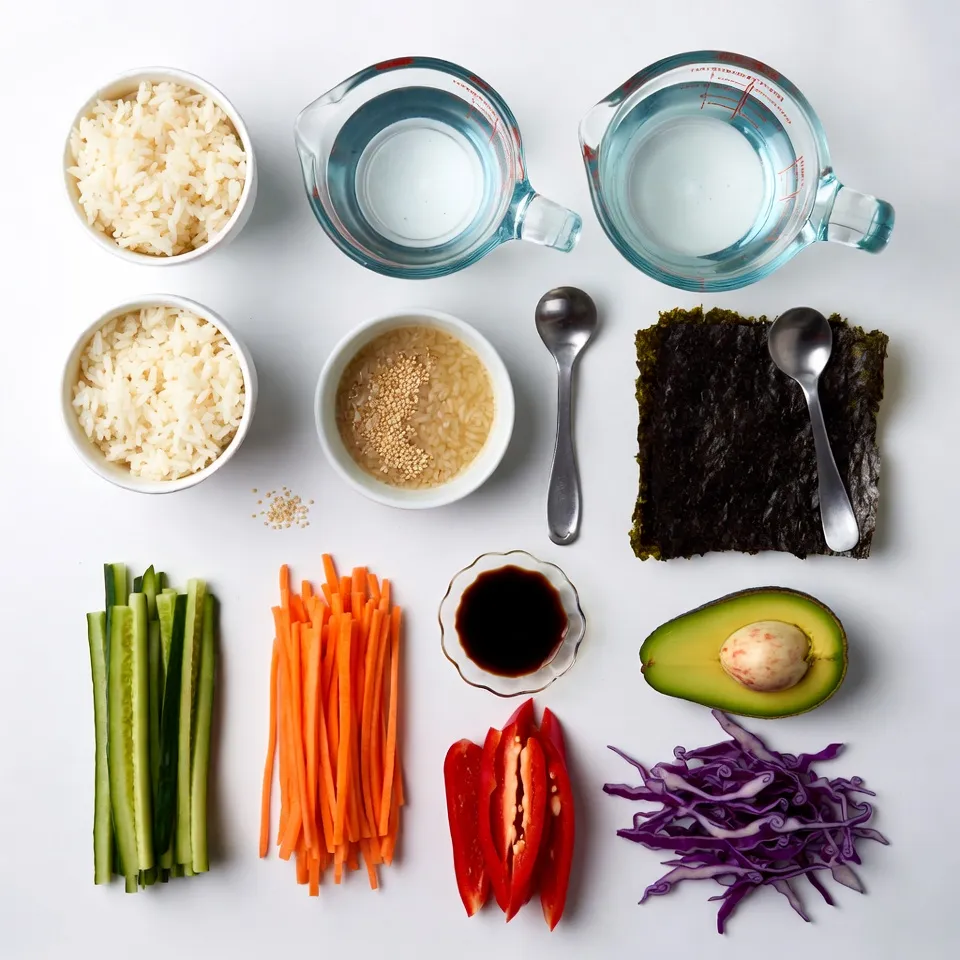
Step-by-Step Instructions

Preparing the Sushi Rice

1. Rinse the sushi rice under cold water. Keep rinsing until the water runs clear. This helps remove extra starch.

2. In a medium pot, combine the rinsed rice with 3 cups of water. Bring it to a boil.

3. Once boiling, reduce the heat to low. Cover the pot and let it simmer for 15 minutes.

4. After 15 minutes, remove the pot from heat. Let it sit, covered, for another 10 minutes.

5. In a small bowl, mix rice vinegar, sugar, and salt. Stir until everything dissolves.

6. Gently fold this mixture into the cooked rice. Spread the rice onto a large plate to cool.

Assembling the Sushi Rolls

1. Lay a sheet of nori on a bamboo sushi mat. Make sure the shiny side faces down.

2. Wet your hands to prevent the rice from sticking. Spread about 1/2 cup of rice evenly over the nori. Leave a 1-inch border at the top.

3. Arrange the julienned cucumber, carrot, sliced avocado, bell pepper strips, and shredded cabbage in a row across the center of the rice.

Rolling and Cutting the Sushi

1. Using the sushi mat, start rolling the nori away from you tightly. Press gently to form a cylinder.

2. To seal the roll, wet the edge of the nori with a bit of water.

3. Repeat this process with the remaining nori sheets and fillings.

4. To cut the rolls, use a sharp knife. Slice each roll into 6 to 8 pieces. Wipe the knife with a damp cloth between cuts. This helps make clean slices.

Tips & Tricks

Sushi Rolling Techniques

Using a bamboo mat makes rolling easier. Place your nori shiny side down on the mat. Wet your hands to stop the rice from sticking. Spread rice evenly, leaving a gap at the top. This gap helps seal the roll later. Use gentle pressure as you roll. Keep everything tight and even.

Flavor Combinations

Try different veggies for fun flavors. Instead of cucumber, use zucchini or radish. Swap out avocado for mango for a sweet twist. You can also mix in sprouts or green onions. For dipping sauces, soy sauce works well. You might enjoy spicy mayo or ponzu sauce too.

Presentation Tips

Arranging sushi rolls adds beauty. Place them on a bright platter. Serve soy sauce in a small bowl. Add a sprinkle of sesame seeds on top. For color, include wasabi and pickled ginger on the side. This makes each plate pop with flavor and charm.

Pro Tips

  1. Fresh Ingredients: Use the freshest vegetables you can find for the best flavor and texture in your sushi rolls.
  2. Rice Consistency: Ensure your sushi rice is sticky enough to hold the rolls together. Adjust the water-to-rice ratio as needed.
  3. Cutting Technique: Use a sharp, wet knife to cut the rolls. This helps prevent the rice from sticking to the blade.
  4. Experiment with Fillings: Don’t hesitate to experiment with different vegetables or add proteins like crab, shrimp, or tofu for variation.

Variations

Different Veggie Options

You can change up your sushi rolls with different veggies. Seasonal vegetables work great. Try adding asparagus in spring or sweet corn in summer. Each veggie brings unique flavors and textures. For example, radishes add crunch, while spinach gives a soft bite. Mix and match to find your favorite combos.

Gluten-Free Adaptations

If you need gluten-free sushi, you have options. Swap soy sauce for tamari, which is gluten-free. This way, you can still enjoy that savory taste. Use gluten-free wraps instead of nori if you prefer. Rice paper is a good choice for a light and fresh roll.

Creative Additions

To make your rolls even tastier, add proteins. Tofu is a great choice since it soaks up flavors well. You can use smoked tofu for a savory kick. For a sweet twist, add fruits like mango or pineapple. This gives your sushi rolls a fun, tropical flair.

Storage Info

Proper Storage Techniques

To keep leftover sushi fresh, store it in an airtight container. Place a damp paper towel in with the sushi. This helps prevent the rice from drying out. Try to eat leftover sushi within 24 hours. After that, the texture and taste can change.

Reheating Instructions

Sushi is best enjoyed fresh, but if you need to reheat it, do so gently. Place sushi in a microwave-safe dish. Cover it with a damp paper towel. Heat for about 10-15 seconds. Check to avoid overheating, as this can ruin the rice.

Freezing Insights

You can freeze sushi rolls, but only if they are made with cooked ingredients. Wrap each roll tightly in plastic wrap. Then place them in a freezer bag. They can last up to a month in the freezer.

To thaw, move the rolls to the fridge overnight. When ready to eat, slice and serve them cold or at room temperature. Avoid reheating frozen sushi, as it can alter the flavor and texture.

FAQs

How do I make sushi rice sticky?

To make sushi rice sticky, rinse it well. Rinsing removes excess starch. This step helps the rice stick together. Then, cook it correctly. Combine 2 cups of sushi rice with 3 cups of water. Bring it to a boil, then reduce the heat. Cover and let it simmer for 15 minutes. After cooking, let it sit for 10 minutes without lifting the lid. Finally, mix in rice vinegar, sugar, and salt. This mixture adds flavor and promotes stickiness.

Can I use regular rice instead of sushi rice?

You can use regular rice, but it won’t taste the same. Sushi rice is short-grain and has more starch. This gives it a sticky texture. Long-grain rice, like basmati, is fluffy and dry. It won’t hold together in rolls. If you must use regular rice, try to find a short-grain variety. This will be closer to the desired texture.

What is the best way to cut sushi rolls?

To cut sushi rolls well, use a sharp knife. Wet the knife with water before cutting. This helps prevent sticking. Cut each roll into 6-8 pieces for nice portions. Make smooth, even cuts with one motion. Wipe the knife between cuts to keep it clean. This will help your rolls look neat and appealing.

Making sushi at home is fun and rewarding. We covered the key ingredients like sushi rice, nori, fresh veggies, and essential seasonings. You learned how to cook sushi rice, roll the sushi, and add tasty veggies. I shared tips for rolling techniques, flavor combos, and pretty presentations. Don’t forget the variations for different diets. Proper storage helps keep your sushi fresh for longer. Enjoy making your unique rolls, and remember, practice makes perfect! Start your sushi journey today and impress your friends with your skill

To make Rainbow Veggie Sushi Rolls, you need the following ingredients: - 2 cups sushi rice - 3 cups water - 1/4 cup rice vinegar - 2 tablespoons sugar - 1 teaspoon salt - 4 sheets nori (seaweed) - 1 small cucumber, julienned - 1 medium carrot, julienned - 1 ripe avocado, sliced - 1/2 bell pepper (red or yellow), sliced into thin strips - 1/2 cup purple cabbage, finely shredded - Toasted sesame seeds (for garnish) - Soy sauce (for dipping) Using fresh and colorful veggies makes the sushi fun and tasty. Each ingredient adds its own flavor and crunch. You can mix and match based on what you like. Want to add more color? Try different peppers or even radishes. The rice is the base, while the nori wraps it all together. This dish is about balance and freshness. You can enjoy it as a snack or a full meal. Eating healthy can be fun when you make these sushi rolls! {{ingredient_image_1}} 1. Rinse the sushi rice under cold water. Keep rinsing until the water runs clear. This helps remove extra starch. 2. In a medium pot, combine the rinsed rice with 3 cups of water. Bring it to a boil. 3. Once boiling, reduce the heat to low. Cover the pot and let it simmer for 15 minutes. 4. After 15 minutes, remove the pot from heat. Let it sit, covered, for another 10 minutes. 5. In a small bowl, mix rice vinegar, sugar, and salt. Stir until everything dissolves. 6. Gently fold this mixture into the cooked rice. Spread the rice onto a large plate to cool. 1. Lay a sheet of nori on a bamboo sushi mat. Make sure the shiny side faces down. 2. Wet your hands to prevent the rice from sticking. Spread about 1/2 cup of rice evenly over the nori. Leave a 1-inch border at the top. 3. Arrange the julienned cucumber, carrot, sliced avocado, bell pepper strips, and shredded cabbage in a row across the center of the rice. 1. Using the sushi mat, start rolling the nori away from you tightly. Press gently to form a cylinder. 2. To seal the roll, wet the edge of the nori with a bit of water. 3. Repeat this process with the remaining nori sheets and fillings. 4. To cut the rolls, use a sharp knife. Slice each roll into 6 to 8 pieces. Wipe the knife with a damp cloth between cuts. This helps make clean slices. Using a bamboo mat makes rolling easier. Place your nori shiny side down on the mat. Wet your hands to stop the rice from sticking. Spread rice evenly, leaving a gap at the top. This gap helps seal the roll later. Use gentle pressure as you roll. Keep everything tight and even. Try different veggies for fun flavors. Instead of cucumber, use zucchini or radish. Swap out avocado for mango for a sweet twist. You can also mix in sprouts or green onions. For dipping sauces, soy sauce works well. You might enjoy spicy mayo or ponzu sauce too. Arranging sushi rolls adds beauty. Place them on a bright platter. Serve soy sauce in a small bowl. Add a sprinkle of sesame seeds on top. For color, include wasabi and pickled ginger on the side. This makes each plate pop with flavor and charm. Pro Tips Fresh Ingredients: Use the freshest vegetables you can find for the best flavor and texture in your sushi rolls. Rice Consistency: Ensure your sushi rice is sticky enough to hold the rolls together. Adjust the water-to-rice ratio as needed. Cutting Technique: Use a sharp, wet knife to cut the rolls. This helps prevent the rice from sticking to the blade. Experiment with Fillings: Don’t hesitate to experiment with different vegetables or add proteins like crab, shrimp, or tofu for variation. {{image_2}} You can change up your sushi rolls with different veggies. Seasonal vegetables work great. Try adding asparagus in spring or sweet corn in summer. Each veggie brings unique flavors and textures. For example, radishes add crunch, while spinach gives a soft bite. Mix and match to find your favorite combos. If you need gluten-free sushi, you have options. Swap soy sauce for tamari, which is gluten-free. This way, you can still enjoy that savory taste. Use gluten-free wraps instead of nori if you prefer. Rice paper is a good choice for a light and fresh roll. To make your rolls even tastier, add proteins. Tofu is a great choice since it soaks up flavors well. You can use smoked tofu for a savory kick. For a sweet twist, add fruits like mango or pineapple. This gives your sushi rolls a fun, tropical flair. To keep leftover sushi fresh, store it in an airtight container. Place a damp paper towel in with the sushi. This helps prevent the rice from drying out. Try to eat leftover sushi within 24 hours. After that, the texture and taste can change. Sushi is best enjoyed fresh, but if you need to reheat it, do so gently. Place sushi in a microwave-safe dish. Cover it with a damp paper towel. Heat for about 10-15 seconds. Check to avoid overheating, as this can ruin the rice. You can freeze sushi rolls, but only if they are made with cooked ingredients. Wrap each roll tightly in plastic wrap. Then place them in a freezer bag. They can last up to a month in the freezer. To thaw, move the rolls to the fridge overnight. When ready to eat, slice and serve them cold or at room temperature. Avoid reheating frozen sushi, as it can alter the flavor and texture. To make sushi rice sticky, rinse it well. Rinsing removes excess starch. This step helps the rice stick together. Then, cook it correctly. Combine 2 cups of sushi rice with 3 cups of water. Bring it to a boil, then reduce the heat. Cover and let it simmer for 15 minutes. After cooking, let it sit for 10 minutes without lifting the lid. Finally, mix in rice vinegar, sugar, and salt. This mixture adds flavor and promotes stickiness. You can use regular rice, but it won’t taste the same. Sushi rice is short-grain and has more starch. This gives it a sticky texture. Long-grain rice, like basmati, is fluffy and dry. It won’t hold together in rolls. If you must use regular rice, try to find a short-grain variety. This will be closer to the desired texture. To cut sushi rolls well, use a sharp knife. Wet the knife with water before cutting. This helps prevent sticking. Cut each roll into 6-8 pieces for nice portions. Make smooth, even cuts with one motion. Wipe the knife between cuts to keep it clean. This will help your rolls look neat and appealing. Making sushi at home is fun and rewarding. We covered the key ingredients like sushi rice, nori, fresh veggies, and essential seasonings. You learned how to cook sushi rice, roll the sushi, and add tasty veggies. I shared tips for rolling techniques, flavor combos, and pretty presentations. Don't forget the variations for different diets. Proper storage helps keep your sushi fresh for longer. Enjoy making your unique rolls, and remember, practice makes perfect! Start your sushi journey today and impress your friends with your skills.

Rainbow Veggie Sushi Rolls

Create vibrant, healthy meals with this rainbow veggie sushi recipe! These colorful sushi rolls are not only fun to make but also delicious, packed with fresh vegetables like cucumber, carrot, avocado, and more. Follow our homemade sushi tutorial for the perfect vegetarian sushi recipe that will impress your family and friends. Don’t miss out—save this recipe for your next cooking adventure! #RainbowVeggieSushi #SushiRollsRecipe #ColorfulSushiRolls #VegetarianSushiRecipe

Ingredients
  

2 cups sushi rice

3 cups water

1/4 cup rice vinegar

2 tablespoons sugar

1 teaspoon salt

4 sheets nori (seaweed)

1 small cucumber, julienned

1 medium carrot, julienned

1 ripe avocado, sliced

1/2 bell pepper (red or yellow), sliced into thin strips

1/2 cup purple cabbage, finely shredded

Toasted sesame seeds (for garnish)

Soy sauce (for dipping)

Instructions
 

Rinse sushi rice under cold water until the water runs clear. Drain and combine it with 3 cups of water in a medium pot. Bring to a boil, then reduce heat to low, cover, and simmer for 15 minutes.

    Remove the pot from heat and let it sit, covered, for an additional 10 minutes.

      In a small bowl, mix rice vinegar, sugar, and salt until dissolved. Gently stir this mixture into the cooked rice. Spread the rice onto a large plate or baking sheet to cool slightly.

        Once the rice is cool enough to handle, lay a sheet of nori, shiny side down, on a bamboo sushi mat. Wet your hands to prevent sticking, and spread about 1/2 cup of rice evenly over the nori, leaving a 1-inch border at the top.

          Arrange cucumber, carrot, avocado, bell pepper, and cabbage in a row across the center of the rice.

            Using the sushi mat, roll away from you tightly, pressing gently to form a cylinder. Seal the edge of the nori with a bit of water.

              Repeat with the remaining nori sheets and fillings.

                Once all rolls are prepared, use a sharp knife to slice each roll into 6-8 pieces. Wipe the knife with a damp cloth between cuts for clean slices.

                  Garnish sushi rolls with toasted sesame seeds.

                    Prep Time, Total Time, Servings: 20 minutes | 45 minutes | 4 servings

                      - Presentation Tips: Arrange the sushi rolls on a platter, serve with soy sauce for dipping, and garnish with a sprinkle of sesame seeds. For an added pop of color, include fresh wasabi and pickled ginger on the side.

                        WANT TO SAVE THIS RECIPE?

                        Leave a Comment

                        Recipe Rating