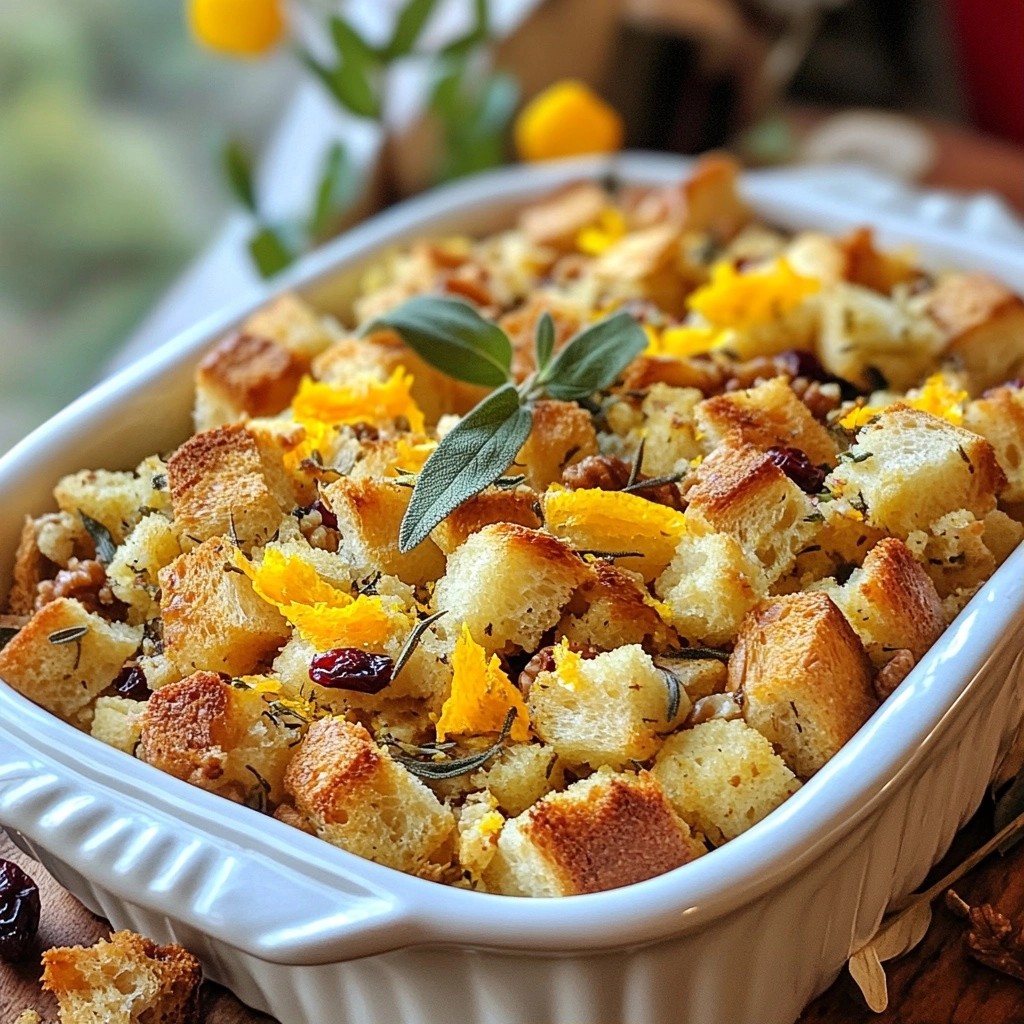
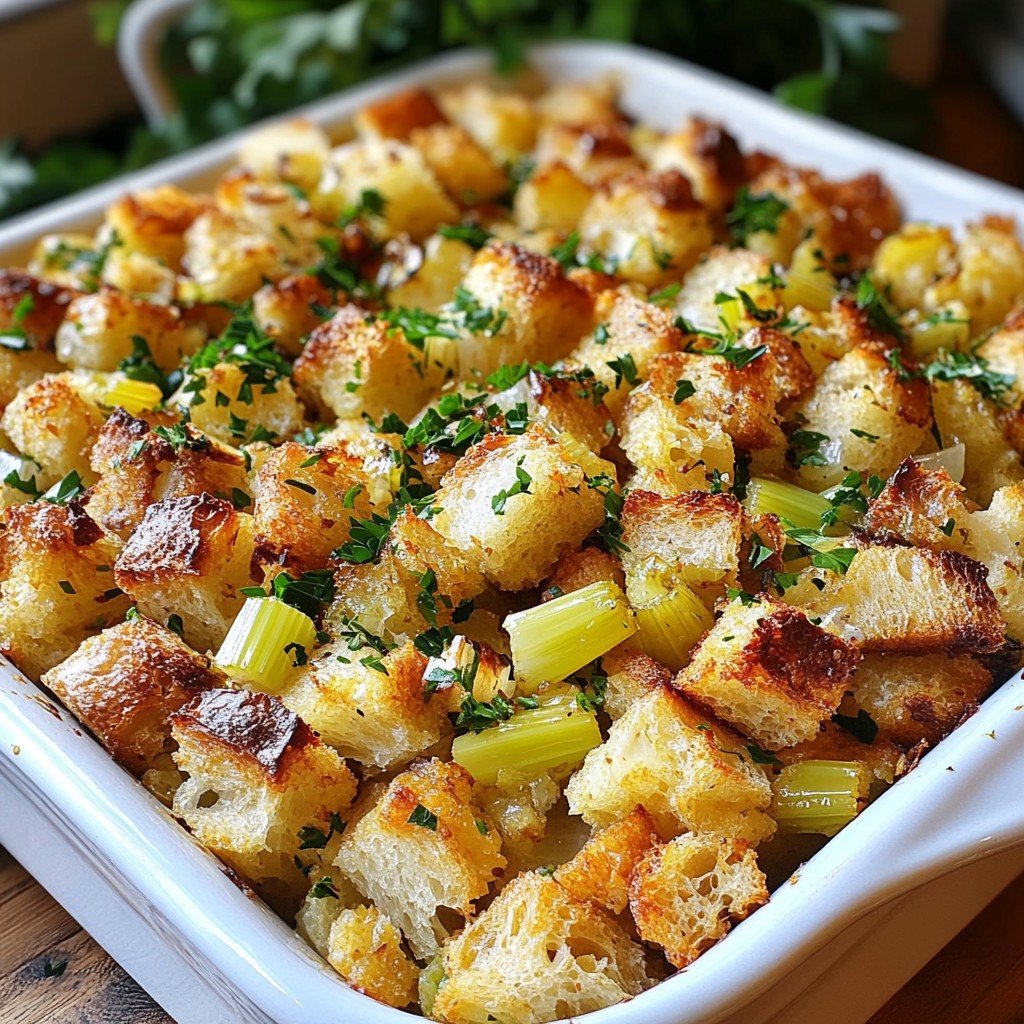
Looking for a delicious side dish that stands out? Try my Roasted Chestnut Easy Side Dish Stuffing! This simple recipe transforms sweet, roasted chestnuts into a warm, hearty stuffing perfect for any meal. I'll guide you through choosing the best ingredients and making a stuffing that your family will love. Get ready to impress with this easy-to-follow recipe that’s sure to elevate your dining experience!
Why I Love This Recipe
- Unique Flavor Profile: The combination of roasted chestnuts and herbs creates a delightful and distinctive taste that elevates traditional stuffing.
- Simple Preparation: This recipe is straightforward and requires minimal cooking skills, making it accessible for everyone.
- Perfect for Any Occasion: Whether it’s a holiday gathering or a cozy family dinner, this stuffing is a versatile side that complements many dishes.
- Customizable: You can easily adapt the recipe by adding your favorite ingredients, such as nuts or dried fruits, to suit your taste.
Ingredients
Complete List of Ingredients
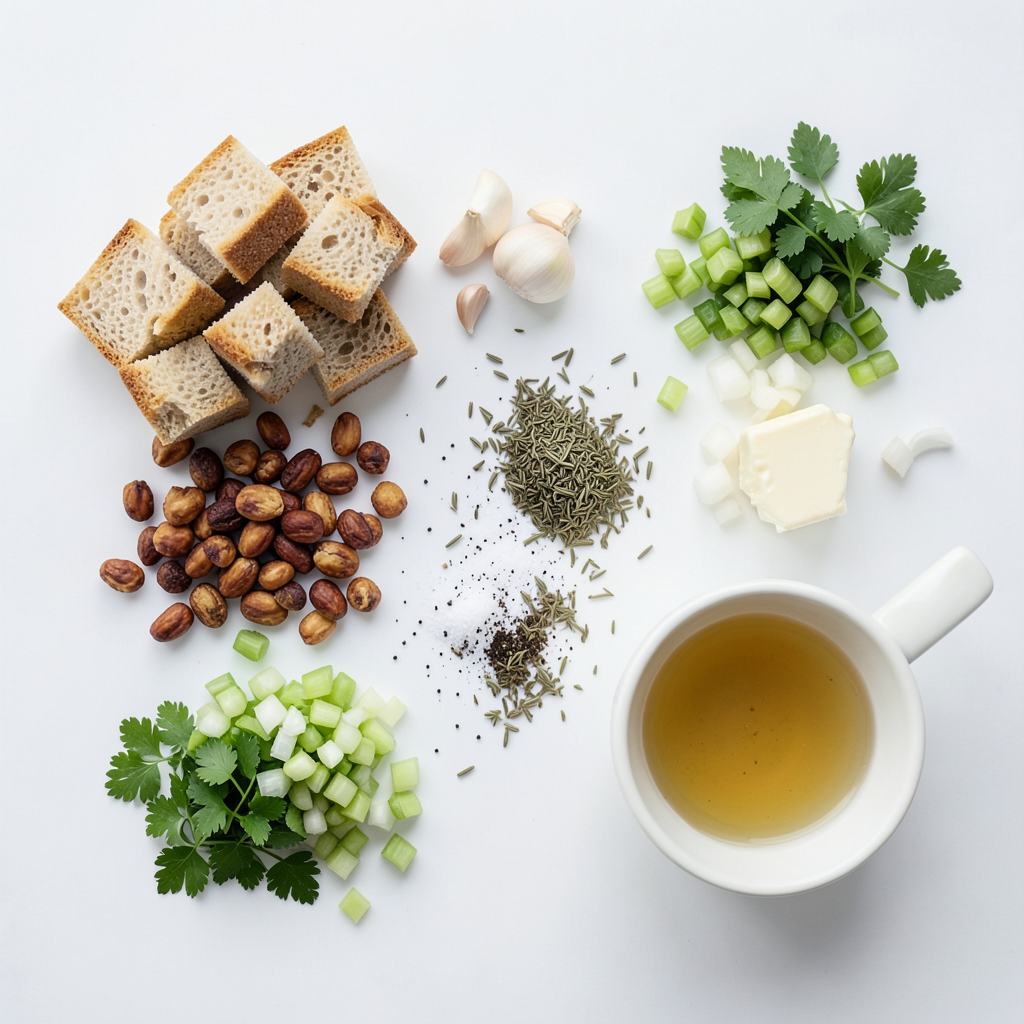
- 2 cups crusty bread, cut into cubes
- 1 cup roasted chestnuts, roughly chopped
- 1 cup celery, diced
- 1 cup onion, diced
- 2 cloves garlic, minced
- 1 teaspoon dried thyme
- 1 teaspoon dried sage
- ½ teaspoon salt
- ½ teaspoon black pepper
- 2 cups vegetable broth
- 2 tablespoons unsalted butter
- ¼ cup fresh parsley, chopped
Tips for Choosing Quality Chestnuts
Look for chestnuts that feel heavy for their size. They should have a smooth, shiny shell. Avoid any with cracks or holes. Fresh chestnuts should also be firm, not soft. When you tap two together, they should make a nice sound. This shows they are fresh and full of flavor.
Substitutions for Common Allergy Ingredients
If you have a gluten allergy, use gluten-free bread. You can also swap the butter with olive oil or a vegan butter. For those allergic to garlic, try adding more onion for flavor. If you need a nut-free option, simply leave out the chestnuts. Use a mix of other veggies if you want to change things up.
Step-by-Step Instructions
Preparation Steps
1. Preheat your oven to 350°F (175°C). This step warms up your kitchen.
2. Gather your ingredients. You need crusty bread, roasted chestnuts, celery, onion, garlic, herbs, salt, pepper, broth, butter, and parsley.
3. Cut the bread into small cubes. Aim for bite-sized pieces for even cooking.
4. Dice the celery and onion. Mince the garlic. This makes them easy to cook.
5. Chop the roasted chestnuts roughly. You want small pieces that blend well.
Cooking Process in Detail
1. In a large skillet, melt the butter over medium heat. You need it hot but not smoking.
2. Add the diced onion and celery. Sauté them for about 5-7 minutes until soft.
3. Stir in minced garlic, thyme, sage, salt, and pepper. Cook for 2 more minutes. This step brings out great flavors.
4. In a large bowl, combine the bread cubes and chopped chestnuts. Mix them well.
5. Pour the sautéed vegetable mixture over the bread. Toss gently to combine evenly.
6. Gradually add vegetable broth. Mix until the bread is moist but not soggy. Use just enough broth for a good texture.
7. Transfer the mixture to a greased baking dish. Spread it out evenly.
Baking Tips for Perfect Texture
1. Cover the dish with aluminum foil. This keeps the stuffing moist while baking.
2. Bake for 25 minutes with the foil on. This helps the flavors meld together.
3. After 25 minutes, remove the foil. Bake for another 15-20 minutes. This makes the top golden and crispy.
4. Keep an eye on it to prevent burning. The perfect texture is crispy on top and soft inside.
5. After baking, sprinkle with fresh parsley. This adds a nice color and fresh flavor.
Tips & Tricks
How to Roast Chestnuts at Home
To roast chestnuts, start with fresh, firm ones. Look for shiny shells. First, score each chestnut with a knife. Make an "X" on the flat side. This helps them cook and prevents bursting. Place them on a baking sheet, cut side up. Roast in a preheated oven at 425°F (220°C) for 20-30 minutes. Keep an eye on them. The shells should open and the nuts should be golden brown. Let them cool for a few minutes, then peel while warm. Enjoy the sweet, nutty flavor!
Best Sides to Serve with Chestnut Stuffing
Chestnut stuffing pairs well with many dishes. Try serving it with roasted turkey or chicken. The rich flavors complement the meat nicely. Green beans or Brussels sprouts add a nice crunch. A fresh salad with a tangy dressing can balance the dish. For a cozy touch, serve it with mashed potatoes. These sides create a warm and inviting meal.
Common Mistakes to Avoid
One common mistake is overcooking the chestnuts. This can make them dry. Always check for doneness after 20 minutes. Another mistake is using too much broth. The stuffing should be moist, not soggy. Mix in broth slowly until just right. Lastly, don’t forget to let the stuffing rest after baking. This helps the flavors settle and makes it easier to serve.
Pro Tips
- Use Day-Old Bread: For the best texture, use bread that is at least a day old. This will absorb the broth better without becoming too mushy.
- Add More Nuts: Enhance the flavor and crunch by adding a mix of nuts, such as walnuts or pecans, along with the chestnuts.
- Experiment with Herbs: Feel free to add other herbs like rosemary or oregano for a more complex flavor profile that suits your taste.
- Make It Ahead: Prepare the stuffing a day in advance and store it in the refrigerator. Just reheat it before serving for convenience.
Variations
Vegetarian and Vegan Alternatives
You can easily make this stuffing vegetarian or vegan. Use vegetable broth instead of chicken broth. For a vegan option, replace unsalted butter with olive oil or vegan butter. This keeps the flavors rich and delicious.
Adding Additional Flavors (Fruits, Nuts, etc.)
Fruits and nuts can bring extra flavor and texture. Try adding diced apples or pears for sweetness. Walnuts or pecans add crunch and depth. Mix them in with the chestnuts and bread cubes for a tasty twist.
Gluten-Free Bread Options
If you need a gluten-free stuffing, choose gluten-free bread. Many stores sell gluten-free bread options. Just cut it into cubes like regular bread. The other ingredients remain the same, ensuring everyone can enjoy this dish.
Storage Info
How to Store Leftover Stuffing
To store leftover stuffing, place it in an airtight container. You can keep it in the fridge for up to four days. If you want to store it longer, freezing is best.
Reheating Techniques for Best Results
For reheating, use the oven for the best texture. Preheat your oven to 350°F (175°C). Place the stuffing in an oven-safe dish and cover it with foil. Heat for about 20 minutes. If you want a crisp top, remove the foil for the last five minutes.
Freezing Chestnut Stuffing
To freeze chestnut stuffing, let it cool completely first. Then, pack it into freezer bags or containers. Make sure to squeeze out as much air as possible. It can last up to three months in the freezer. When ready to use, thaw it in the fridge overnight. Reheat it in the oven for a tasty side dish.
FAQs
Can I make this stuffing ahead of time?
Yes, you can make this stuffing ahead of time. Prepare the stuffing and place it in a baking dish. Cover it and store it in the fridge for up to two days. When you are ready to bake, let it sit at room temperature for about 30 minutes. This helps it cook evenly. Then, bake it as directed in the recipe.
What can I use instead of vegetable broth?
If you don’t have vegetable broth, you can use chicken broth. It adds a nice flavor to the stuffing. You could also use water, but it will not give as much taste. For a unique twist, try using mushroom broth. It adds depth and umami to the dish.
Is it necessary to bake the stuffing?
Yes, baking the stuffing is necessary. It helps the flavors blend and gives it a nice texture. Baking makes the top crispy while keeping the inside soft. If you skip baking, the stuffing may not taste as good. Plus, the aroma while it bakes is simply wonderful!
In this article, we explored how to prepare delicious chestnut stuffing. We covered key ingredients, cooking steps, and helpful tips. Remember to choose quality chestnuts and avoid common mistakes for the best results. You can enjoy variations like vegan or gluten-free options. Lastly, storing and reheating leftover stuffing can keep it tasty for later. With these insights, you can create a dish that impresses everyone. Enjoy your cooking and the wonderful flavors of chestnut stuffing!